How the manosphere is like K-pop fandoms (Gen Z Boys: Part 1)

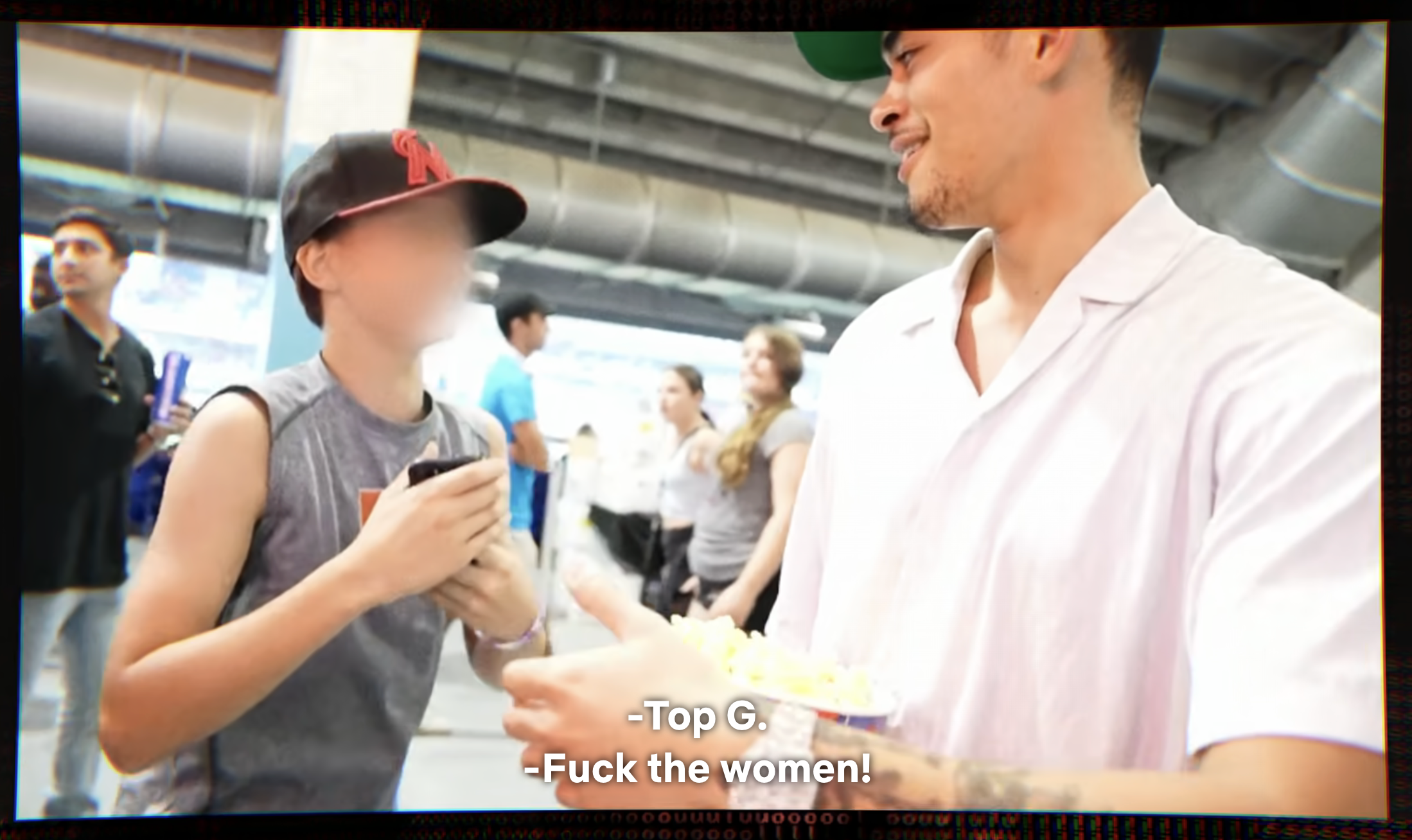
This is a two-part post about Gen Z boys and misogyny. Part 1 is about how the teenage boys flocking around manosphere influencers are like global K-pop fandoms. Part 2 – on why we should probably stop talking about Gen Z as more misogynistic than Boomers –will drop in the next few days.
There's a lot of chat about the manosphere and the red pill community lately – in news reports, on social media, in Netflix's Adolescence last year, and, most recently, in Louis Theroux's Into the Manosphere.
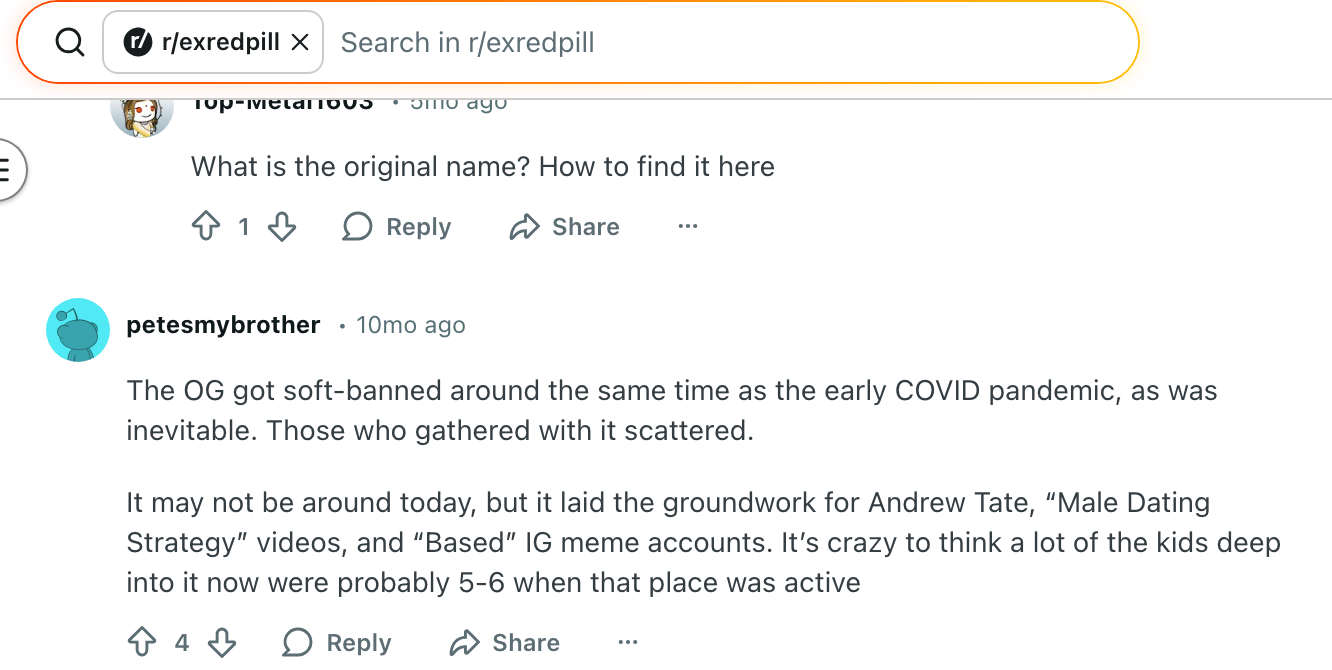
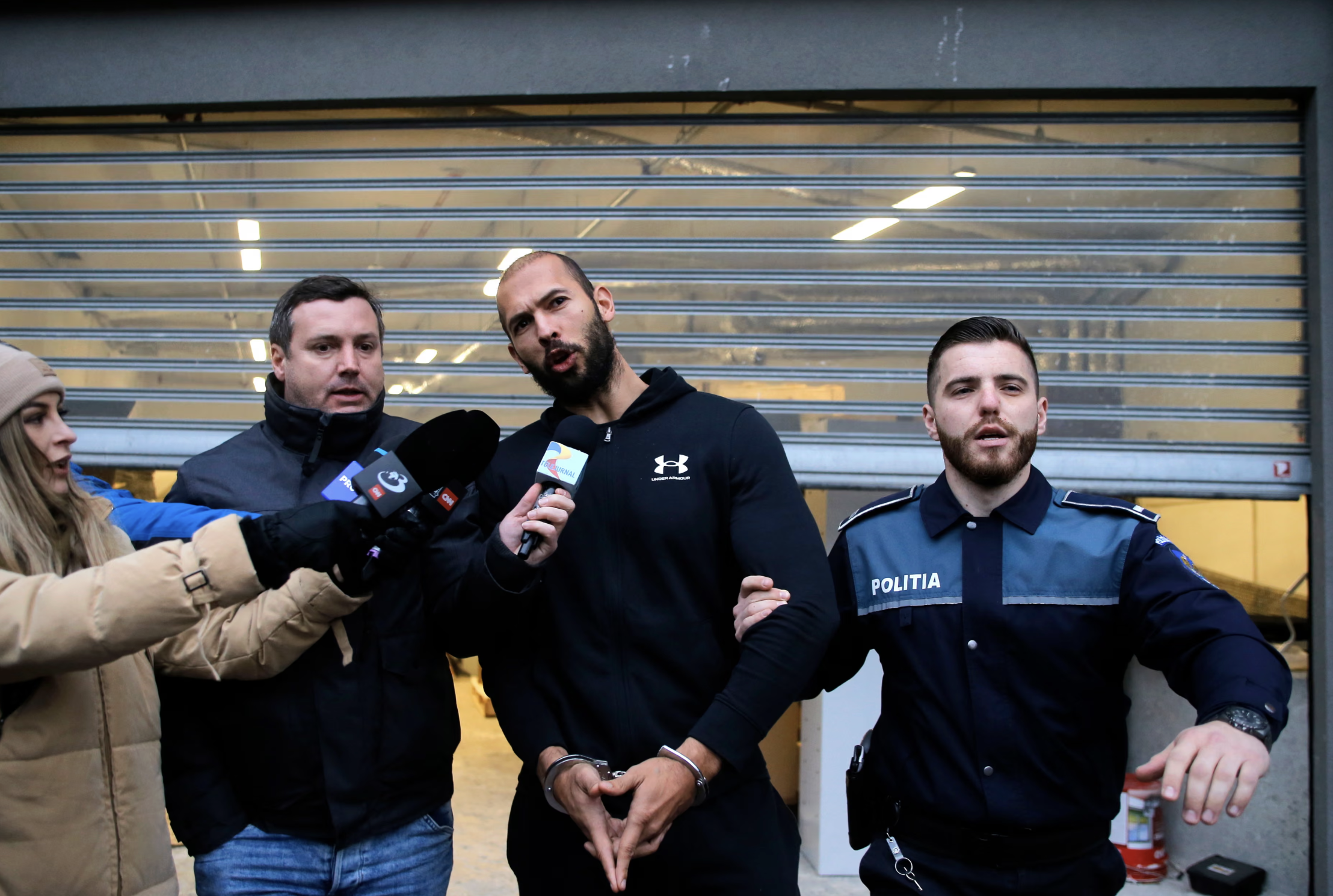
You might remember a similar moment of public worry and anger in 2018, when all the furor around the original manosphere red pill community (r/TheRedPill and r/Braincels) resulted in Reddit attempting to quarantine its members. Obviously, that didn't quite work – the community lived on; in fact, grew, despite being quarantined in some quarters and banned in others. Because, as this Redditor notes, that Red Pill community, and others like it, have laid the groundwork for where we are today.
People often think about the manosphere in political terms, but I think that's the wrong way – or at least, not quite the right way – of looking at it. At its heart, the manosphere is a niche community with an intense fandom. It promises collective experience; strong emotional connection; the ability to "buy into" an identity, sometimes literally, through merch, subscription-based fan forums, multi-channel events; and the all-consuming ardor of the online-first, social-native discourse. If that sounds like K-pop fandom to you, you're not wrong.
I grew up with 1st Gen K-pop and have watched it grow as a global phenomenon. A few years ago, I led a major research project on what made global K-pop fans tick, what made its fandoms so sticky, and why K-pop was about lifestyle and identity, not just music. What I saw in Theroux's Into the Manosphere and what I see with how users are interacting with manosphere influencers online and in person are remarkably similar to K-pop fandom behaviors.
What they share goes beyond just the intensity of their communities and their modalities of identity-expression. Both have the ability to mobilize and organize around political and ideological causes (as K-pop fans did during the 2020 US presidential elections). Both share characteristics of obsessive behavior that brands find useful. Both have little factions and fiefdoms that alternately compete and collaborate with one another. Both generate their own unique systems of normative behaviors, peer pressure, and social influence. Hell, both even have their own unique hand gestures.

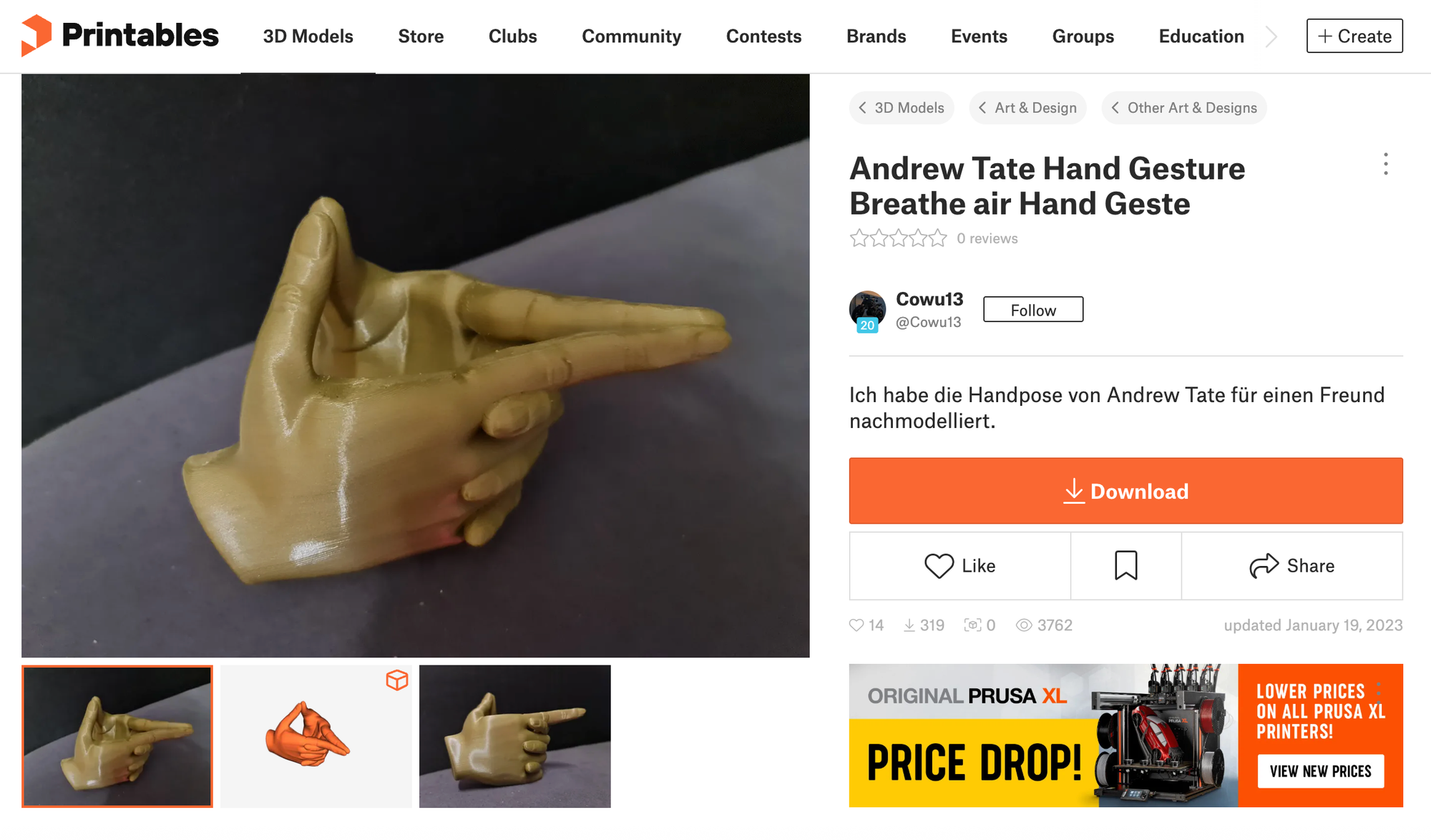
Obviously, I am NOT saying that manosphere fans and K-pop fans are the same. But I do want to dwell for a second on the ways in which these two communities share behaviors and commonalities in a way that reveals something about the alchemy that happens when nicheness + onlineness + intense emotional connection all come together. Both communities offer, or purport to offer, the combination of something completely irresistible, especially for those experiencing that self-definitional, hormonal, and searching phase of life known as adolescence & early adulthood: love and belonging.
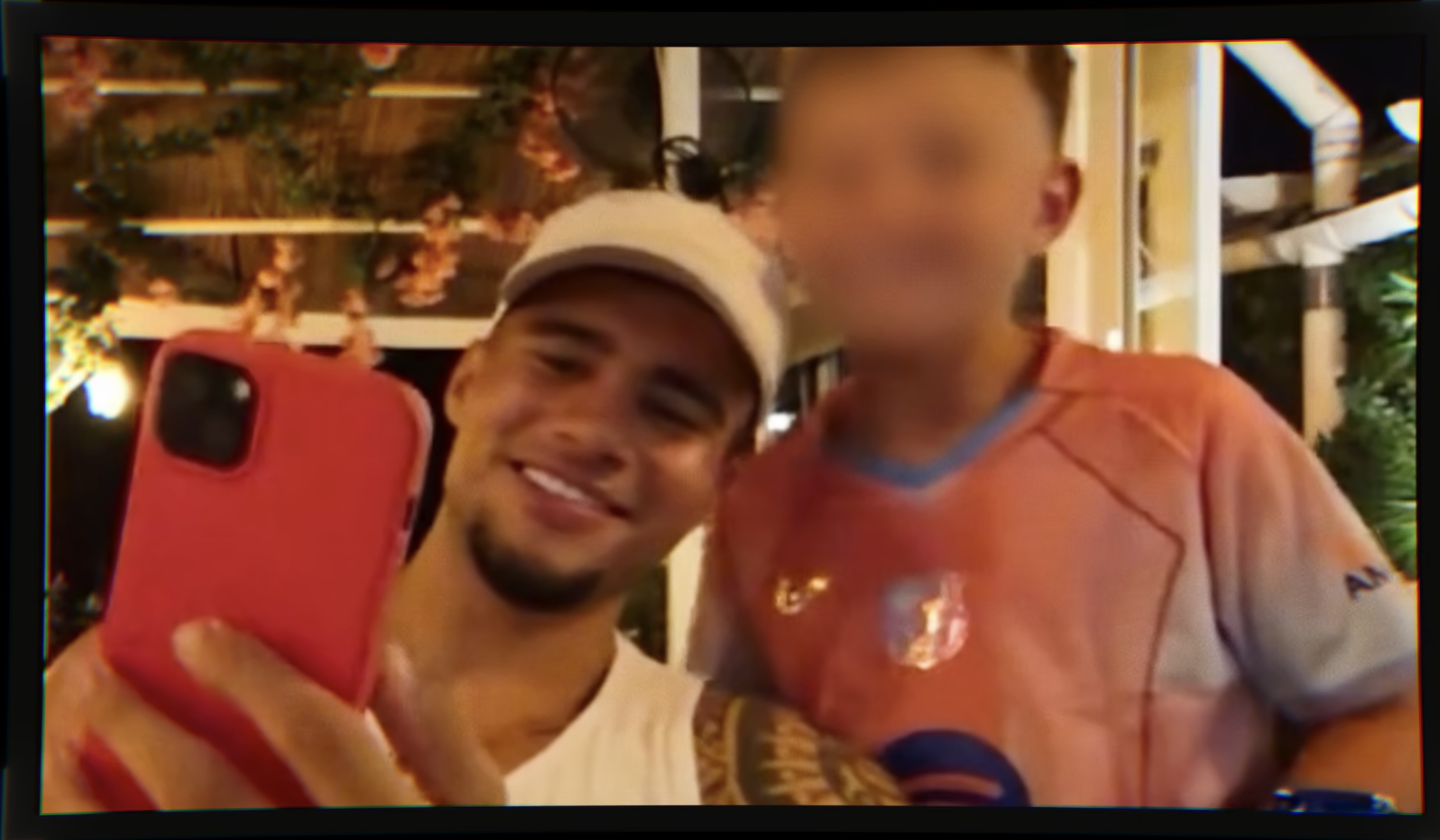
At one point in the Theroux documentary, Justin Waller says that the two things he says to fans, both boys & men, who approach him on the street are: "I love you" and "There's nothing in this world you can't do. We're in this shit together."
Love, aspiration, belonging, empowerment. I think fans of BTS would probably say they could identify with those things too.
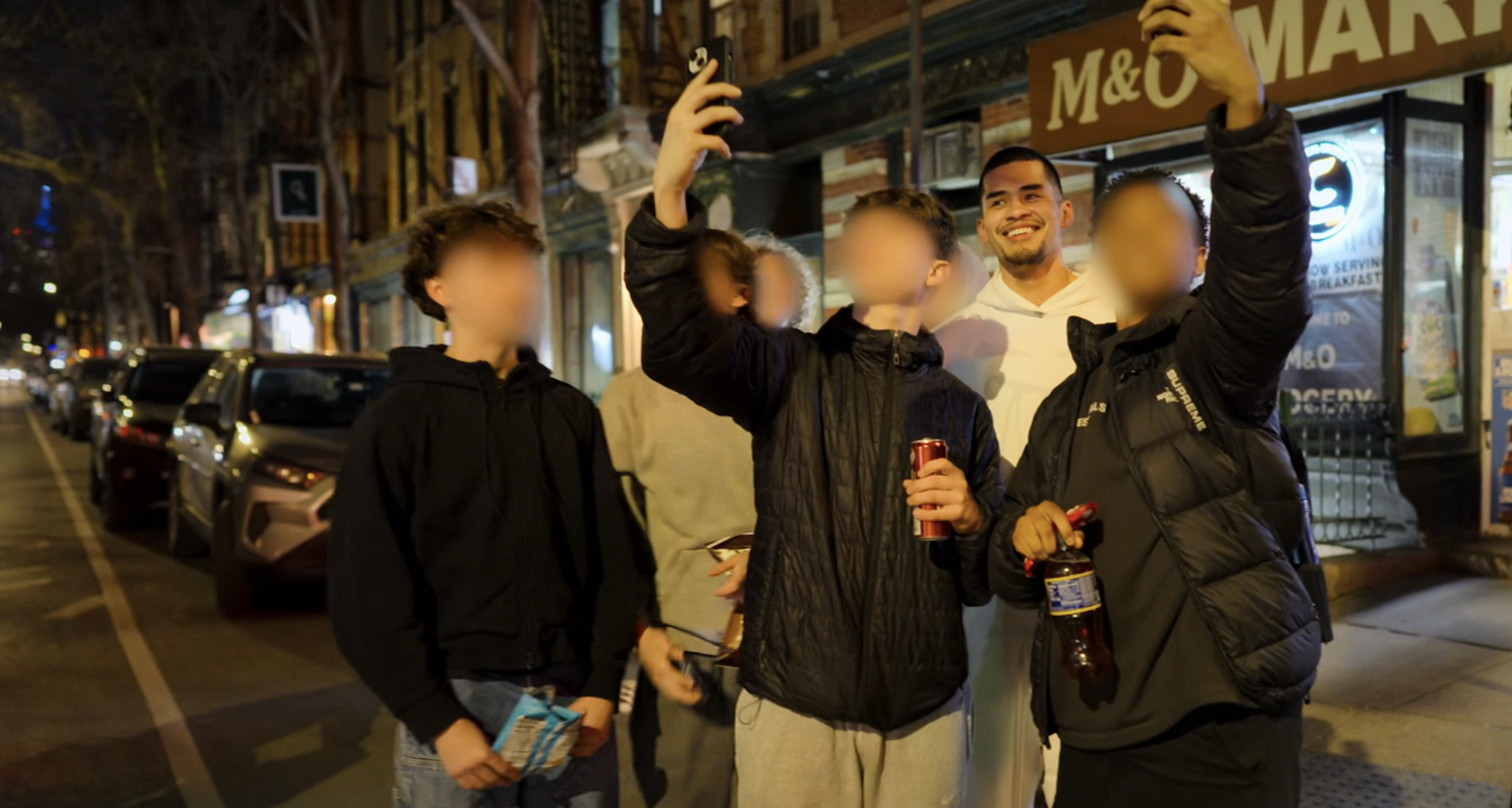
The appeal of the manosphere is as much a cultural phenomenon as it is a symptom of political polarization. The Theroux documentary notes this, but doesn't spend much time thinking about it in depth, beyond dwelling, very briefly, at the end, on how manosphere influencers have grown up often broadcasting themselves to the internet for clicks and likes.
But if we really want to understand not just how individual influencers got to where they are (which is the major arc of the Theroux documentary) but the appeal of the manosphere community as a whole, we need to shift our mindset. These are not just followers and subscribers. These are fandoms.
Final thoughts:
I think Louis Theroux should have done the trad wife phenomenon hand-in-hand with the manosphere – this was so clearly a part of the narrative that was also being sold via the male influencers' wives and partners. How can you understand misogyny as a cultural system without seeing how these two things work together? Anne Helen Petersen has done some good stuff on why the trad wife phenom is like a cult in its own right and a kind of agency-via-annihilation. If Louis Theroux's team is reading this, may I suggest that as the topic of your next YouTube vid/podcast?
What I'm reading/watching/consuming this week:
▶️ Theroux's Into the Manosphere (obvs)
▶️ Solvej Balle's On the Calculation of Volume, I (which I found somewhat slow going tbh... maybe I'm missing something?)
▶️ Patrick Bringley's All the Beauty in the World (a beautiful meditation on art & loss)